SunRays
02 · 2025 · Solar-Thermal Engineering. Killing weeds with sunlight, not herbicides.
The problem
Weeds compete with crops for water, sunlight and nutrients, causing substantial agricultural losses. Chemical herbicides remain the dominant control method, but their widespread use contributes to herbicide resistance, environmental contamination and concerns about long-term sustainability.
From idea to prototype
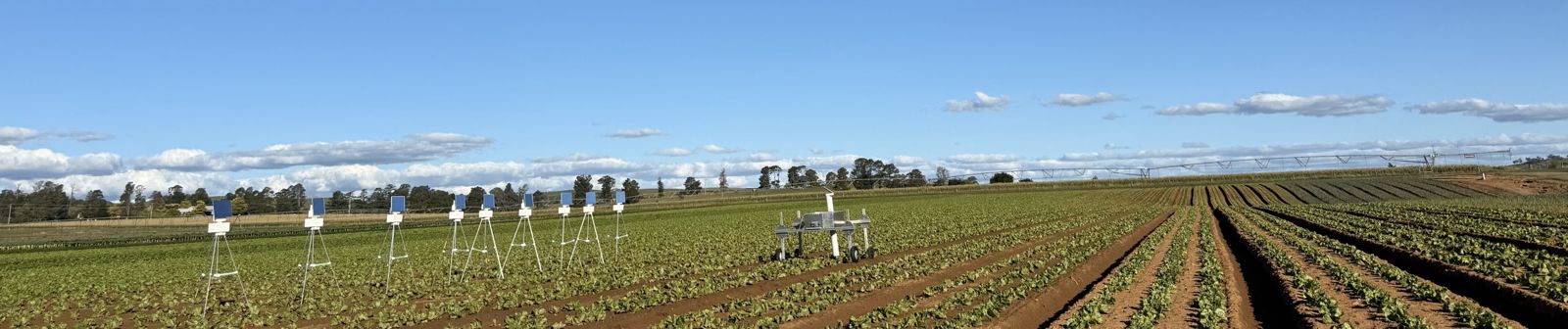
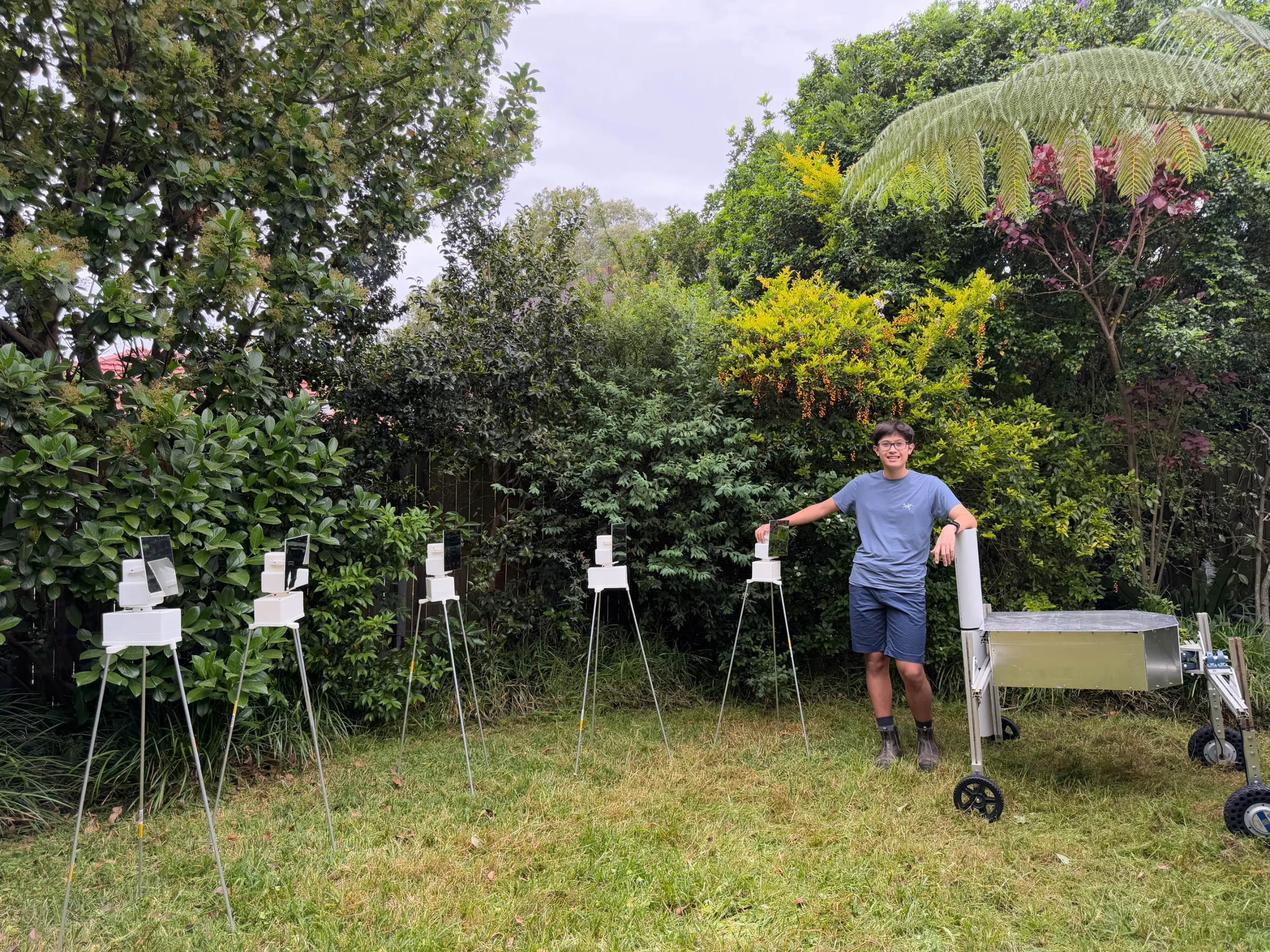
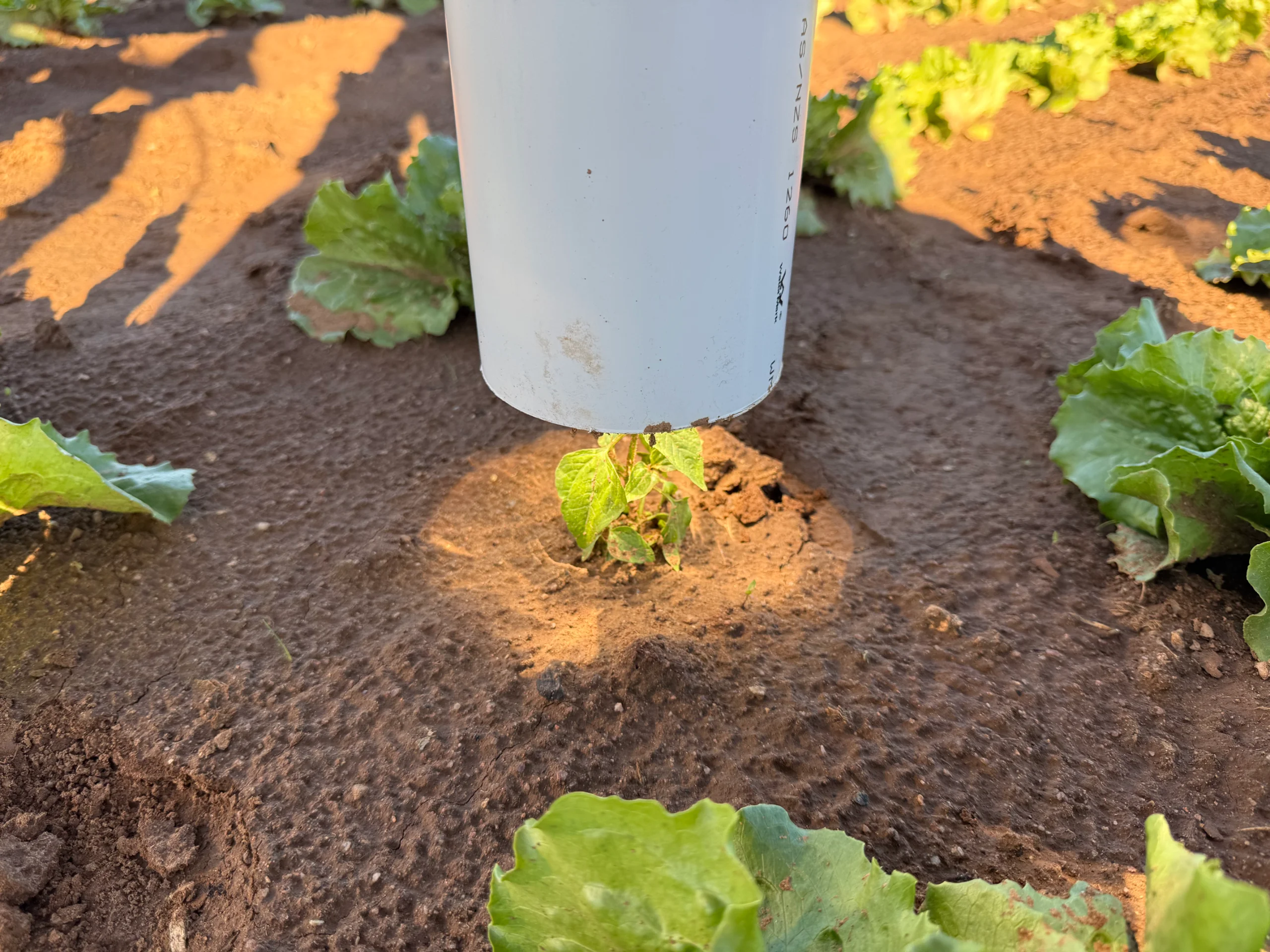
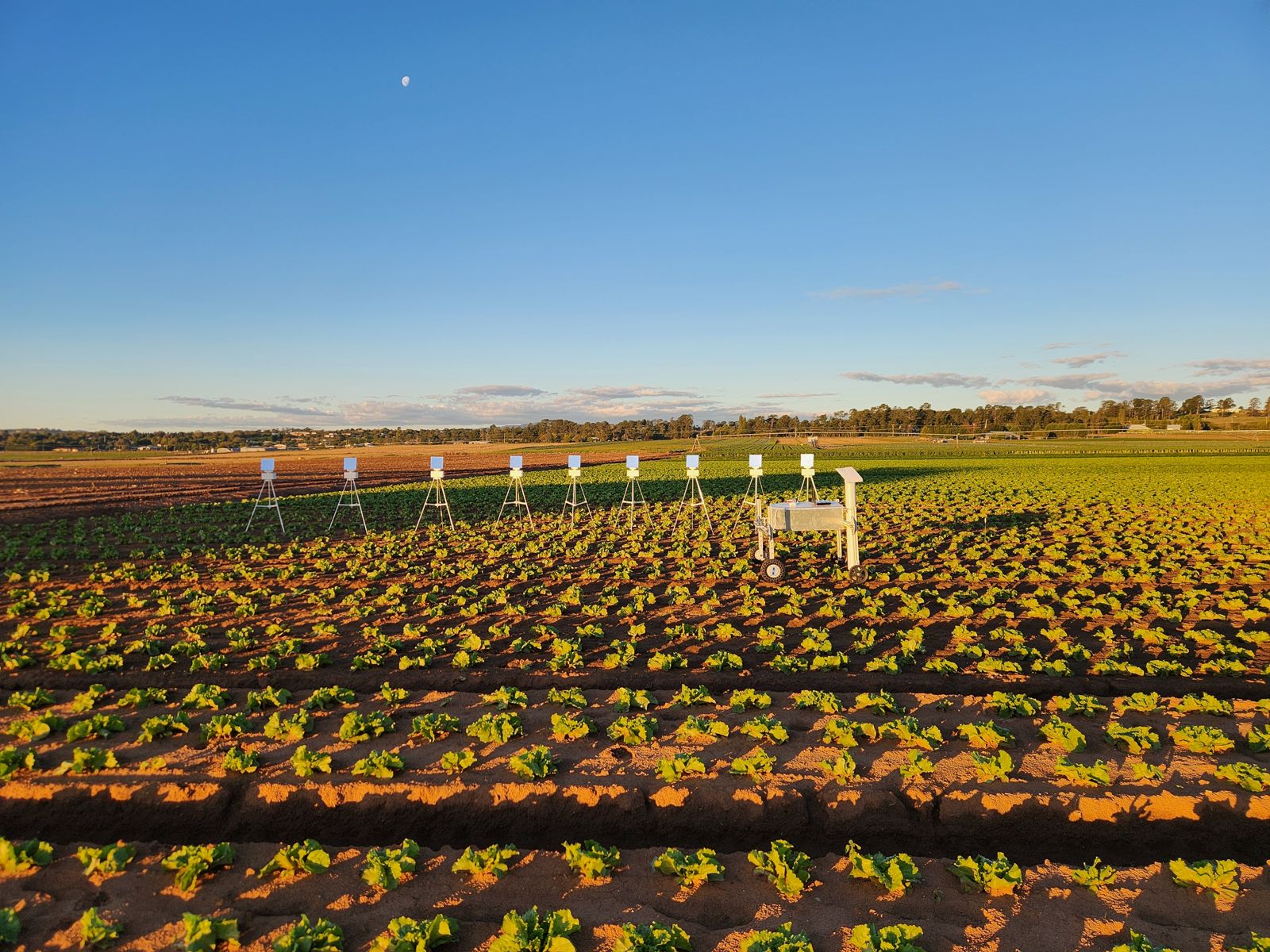
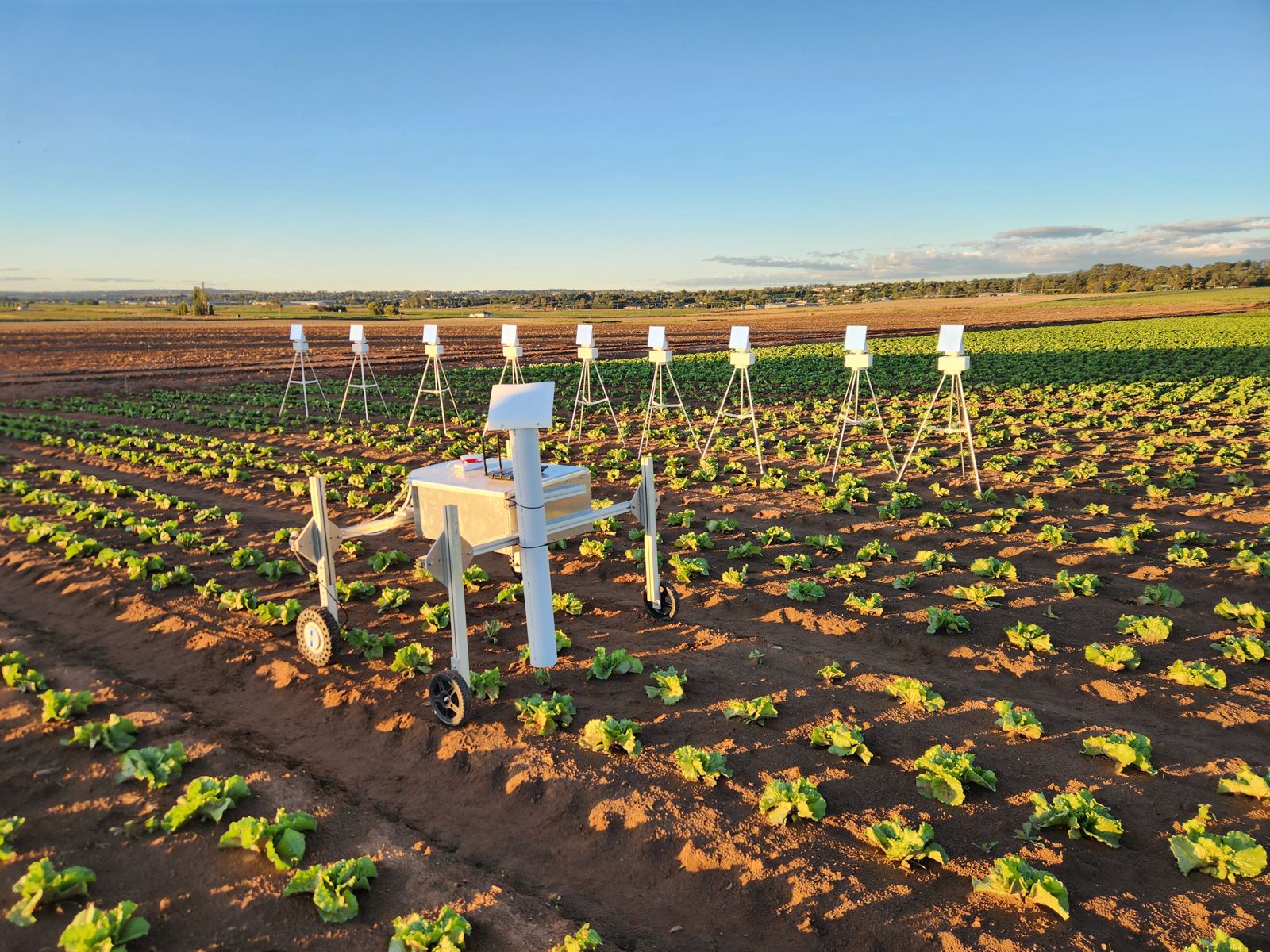
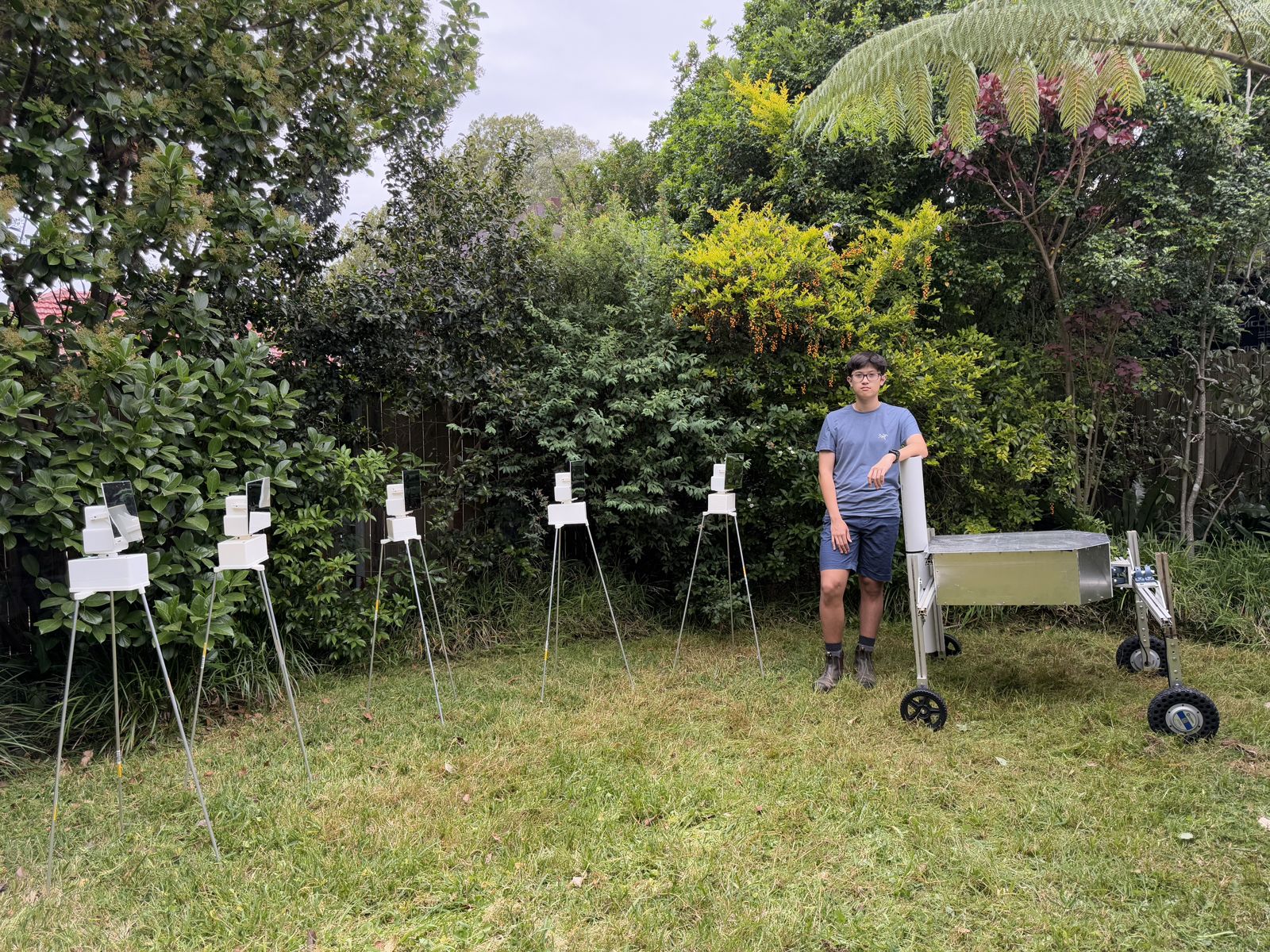
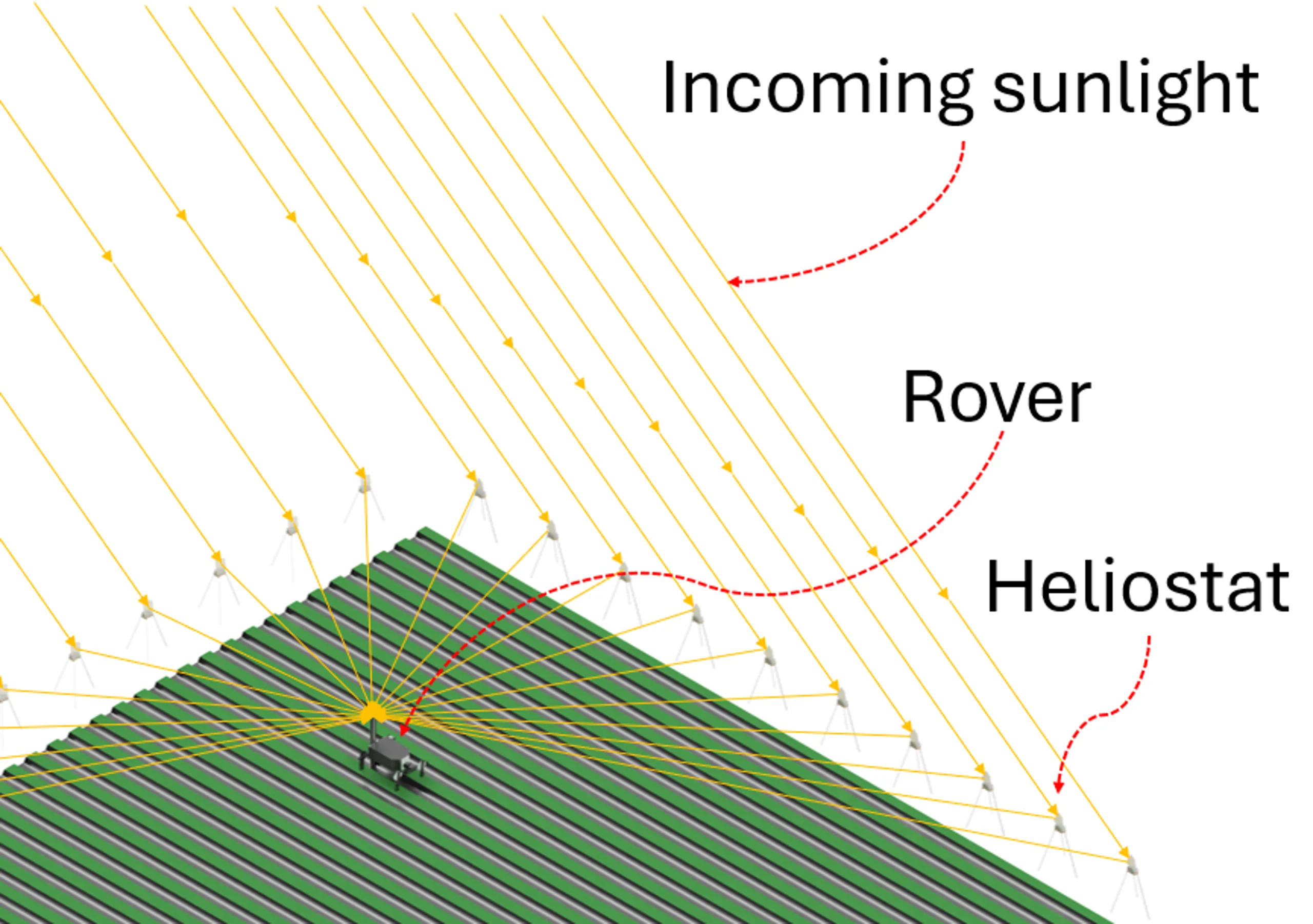
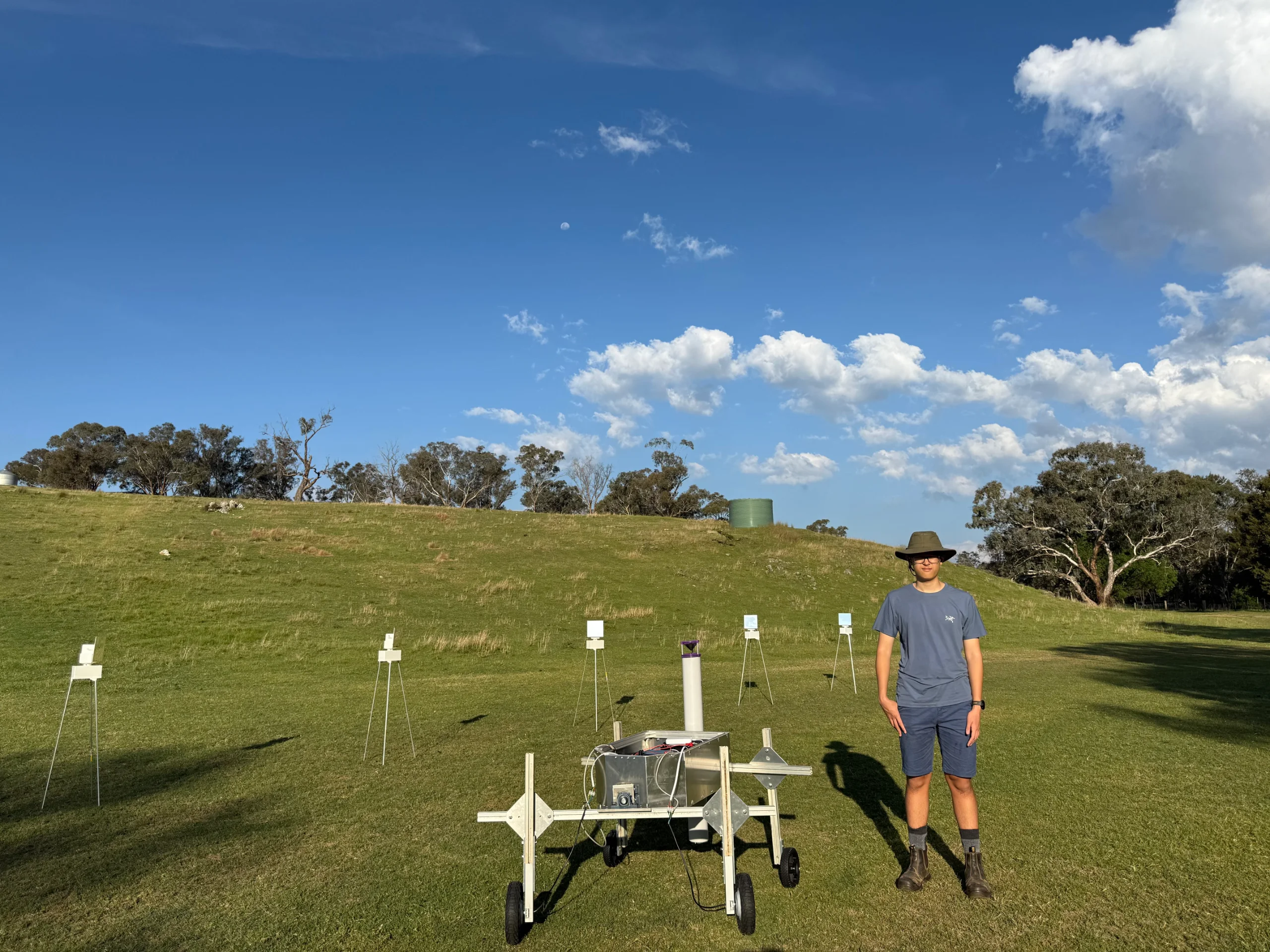
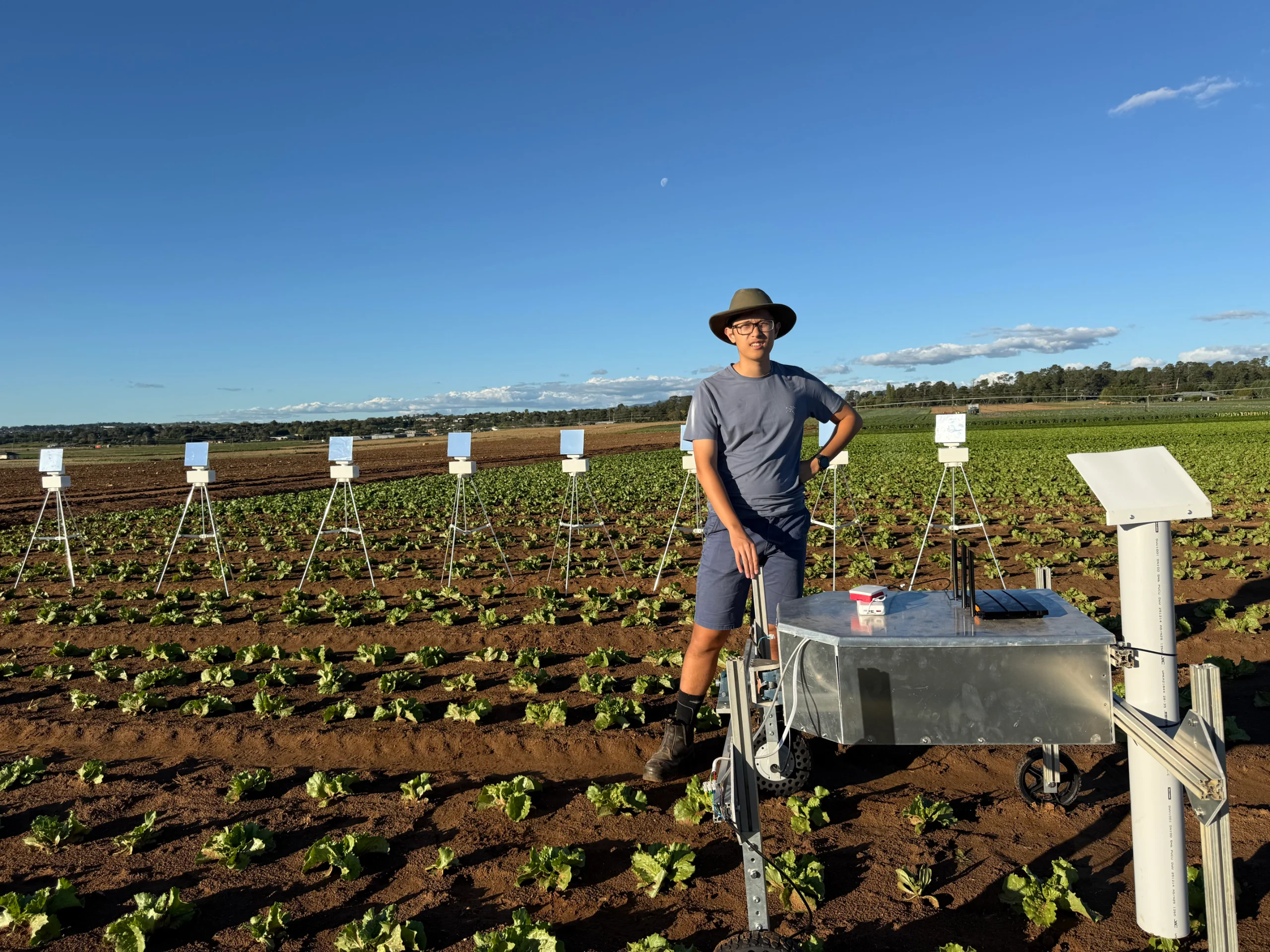
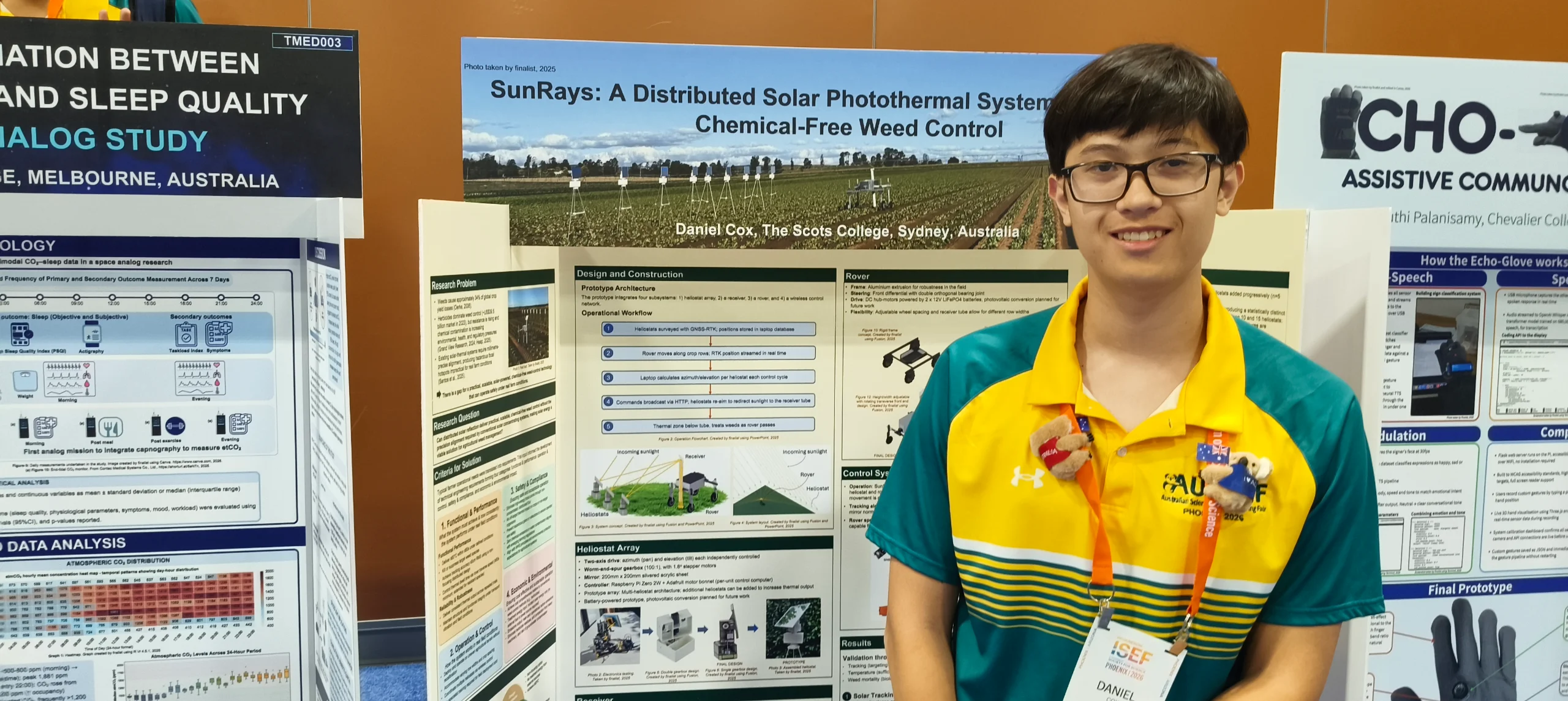
I invented SunRays, a chemical-free weed-control system using an array of independently controlled mirrors (heliostats) to redirect sunlight onto a moving rover. Instead of concentrating sunlight at a single point, overlapping reflections create a broader heating zone that tolerates alignment errors and can be scaled by adding mirrors.
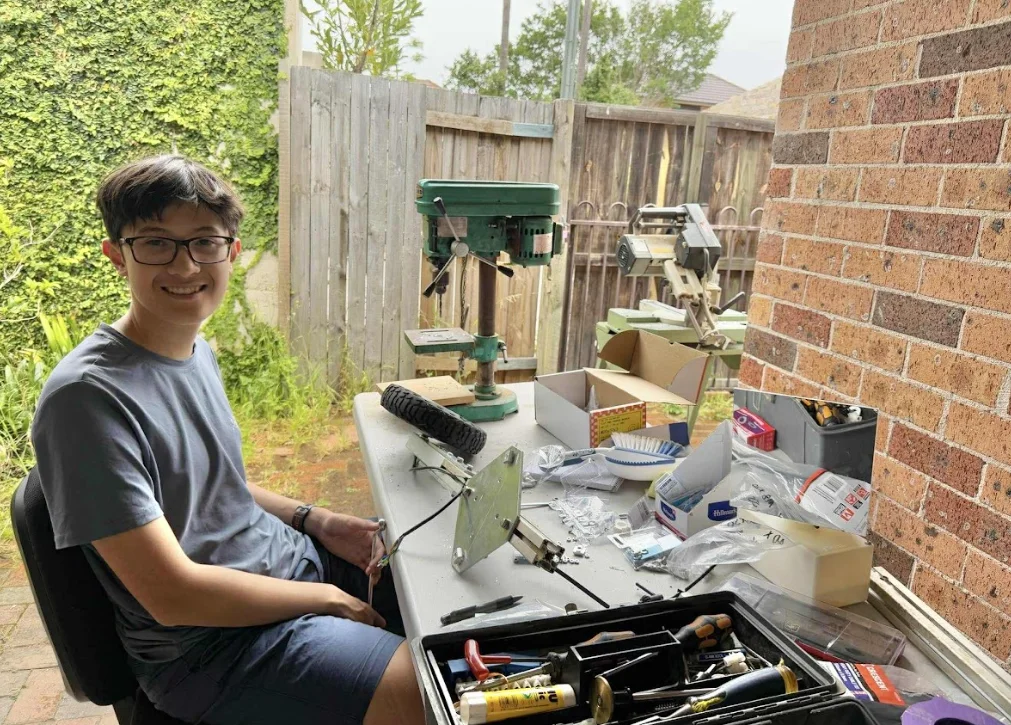
I designed and built motorised heliostats, mirror mounts, gear mechanisms and a mobile heat-treatment receiver using Fusion 360 and 3D printing. As the rover moves between crop rows, GPS positioning, solar-position calculations and three-dimensional geometry enable a central controller to continually adjust each mirror's orientation. I also developed the motor-control and communication systems and tested thermal delivery and treatment duration by varying rover speed.
Results & impact
Experimental testing demonstrated that SunRays could generate weed-lethal temperatures using sunlight alone.
With arrays of 10, 15 and 20 heliostats, average treatment-zone temperatures after three minutes reached approximately 70°C, 83°C and 91°C, respectively. These results demonstrated that thermal output could be increased by adding mirrors.
The solar-tracking system maintained average targeting accuracy within 1 cm, including while the rover was moving.
Biological tests
- Broadleaf plantain (Plantago lanceolata): 100% mortality following 90 seconds of thermal exposure.
- Perennial ryegrass (Lolium perenne): 64% mortality following 180 seconds.
- Dandelion (Taraxacum officinale): 22% mortality following 180 seconds.
These findings demonstrated both the potential and limitations of solar-thermal weed control, with treatment effectiveness varying considerably between species.
Award
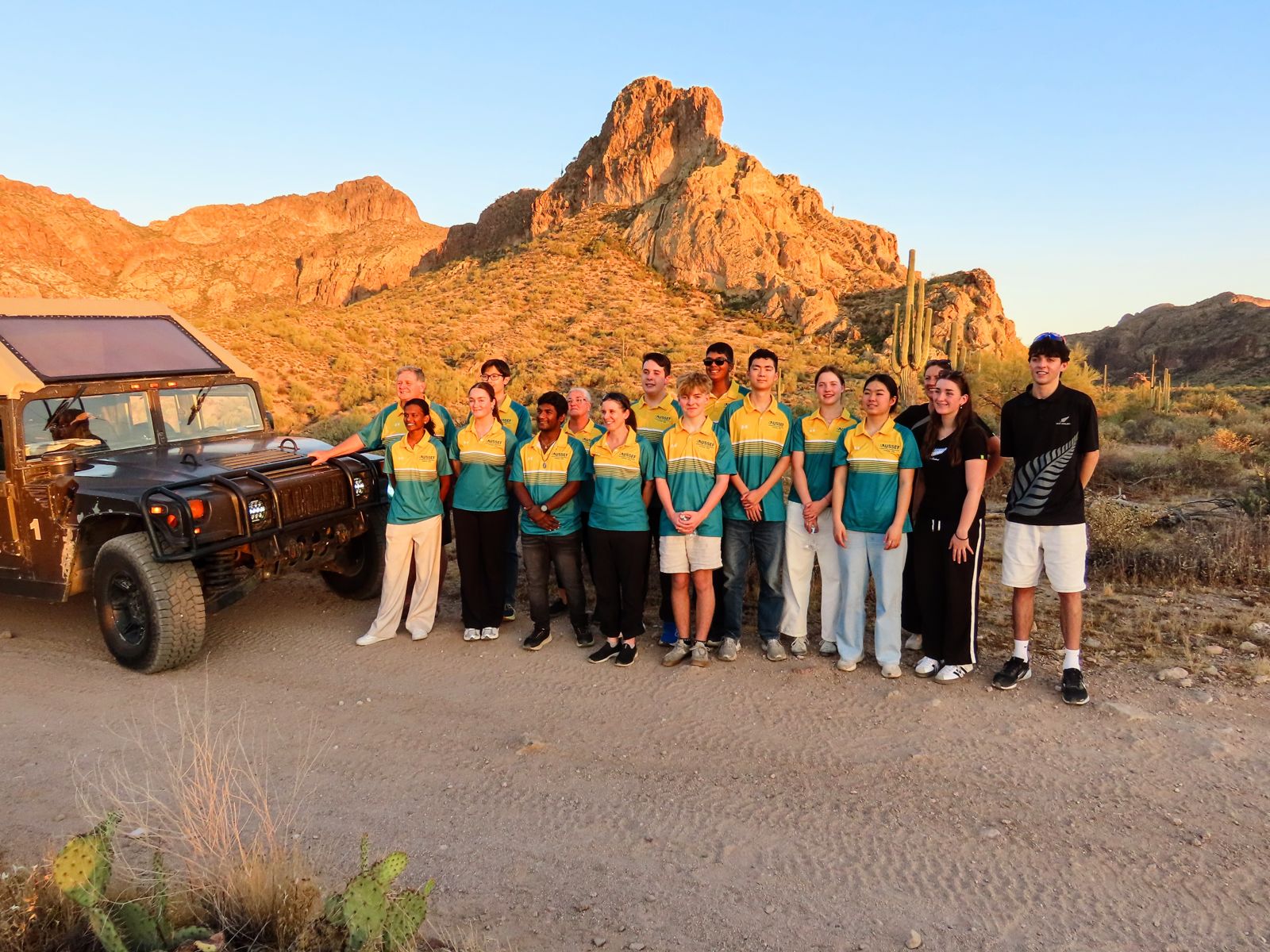
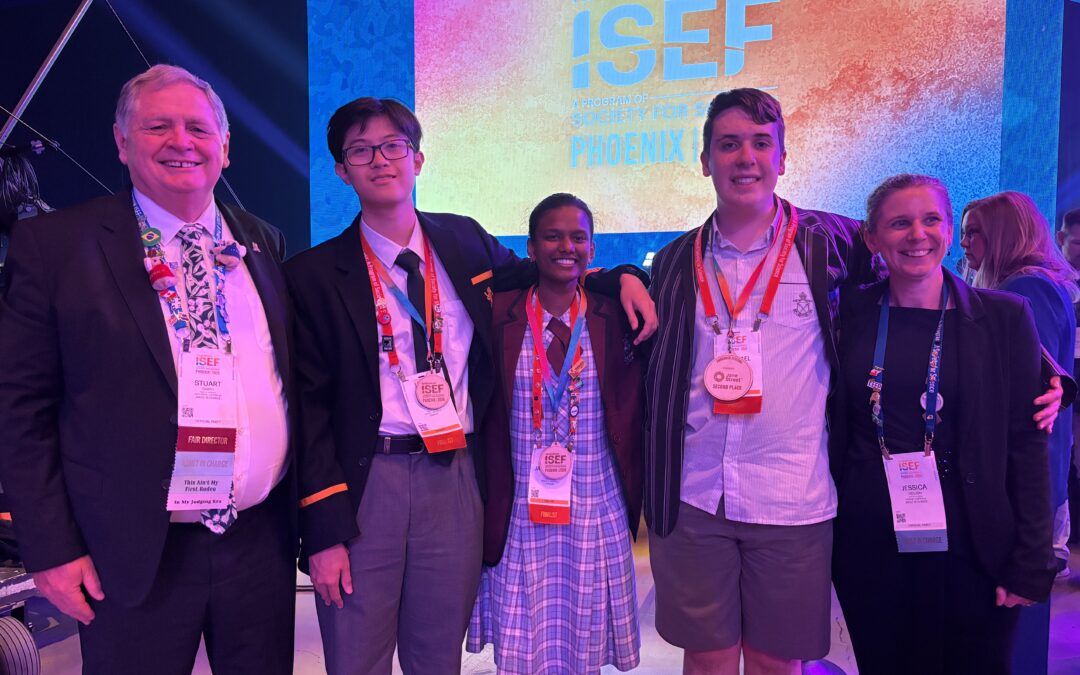
SunRays received a Fourth Grand Award in Environmental Engineering at Regeneron ISEF 2026, Phoenix, Arizona, USA, recognising the project's originality and engineering achievement.
Intellectual property, research & industry engagement
Patent
- Cox, D. E. (2025). Sunlight directing apparatus for thermal treatment of unwanted vegetation. Australian Provisional Patent Application No. 2025905235.
Research report
- Cox, D. E. (2025). A Distributed Solar Photothermal System for Scalable, Chemical-Free Weed Control. Independent engineering research report, The Scots College, Sydney, Australia. Developed for the Australian Science and Engineering Fair and Regeneron ISEF 2026.
Industry engagement
- Supported by Zinfra Australia and LAPP Australia through the Australian Science and Engineering Fair (AUSSEF). SunRays is undergoing engineering design reviews with Zinfra Australia to explore further development and field deployment.