SunRays Aqua
03 · 2026 · Aquatic Robotics & Environmental Engineering. Taking solar-powered weed control onto the water.
The problem
Invasive aquatic weeds such as Salvinia, Azolla and water hyacinth can rapidly cover rivers, lakes and wetlands, blocking sunlight, reducing oxygen levels and threatening aquatic ecosystems.
Conventional control methods present significant challenges. Herbicides can affect water quality and non-target organisms, while mechanical harvesting requires heavy equipment and can spread weeds through fragmentation. Many infested waterways are also too shallow, narrow or densely covered for conventional boats to operate.
Applying thermal weed control introduces another problem: water acts as a powerful heat sink, continuously absorbing heat from floating weeds and making it difficult to reach temperatures high enough to kill them.
From idea to prototype
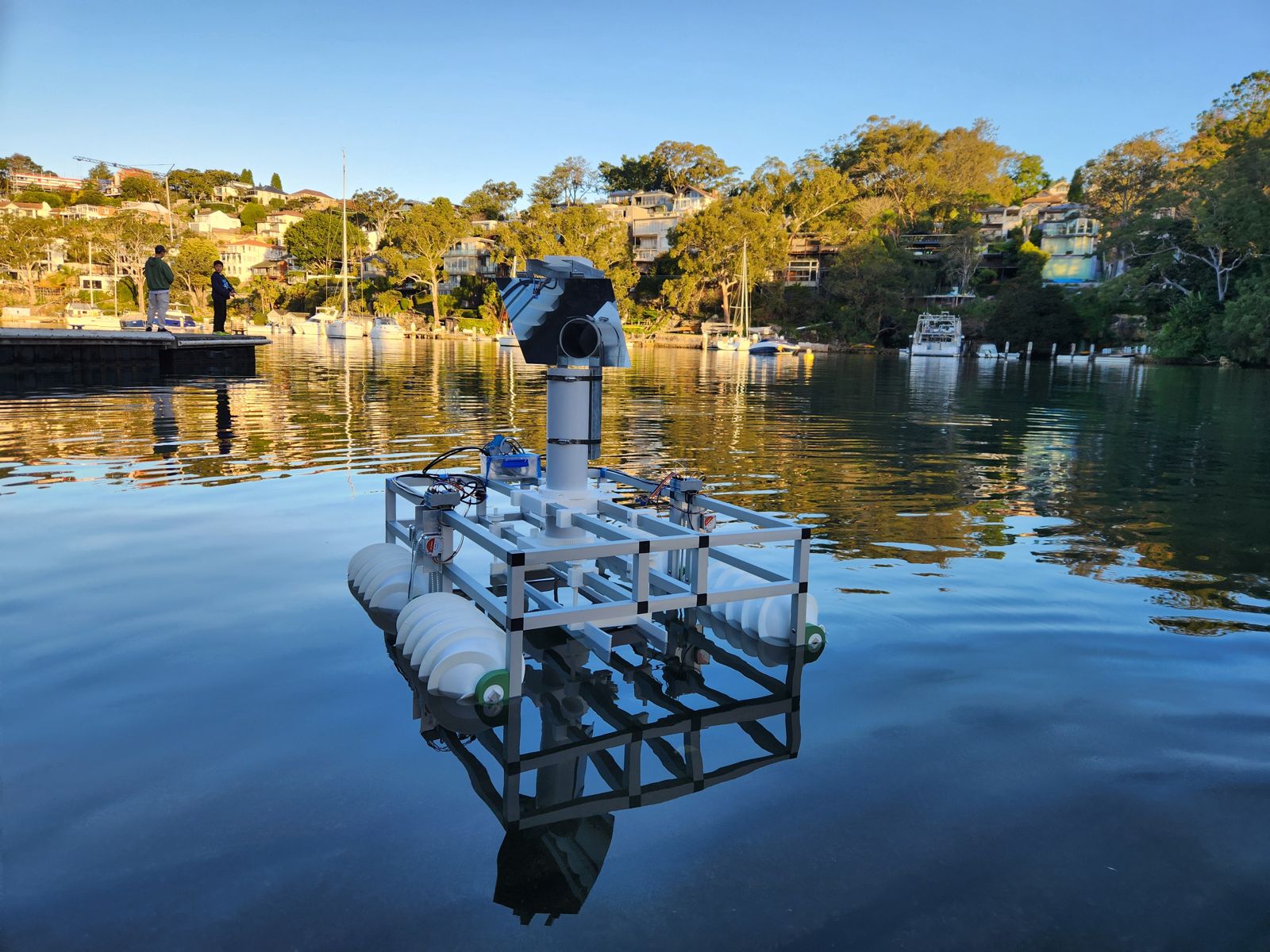
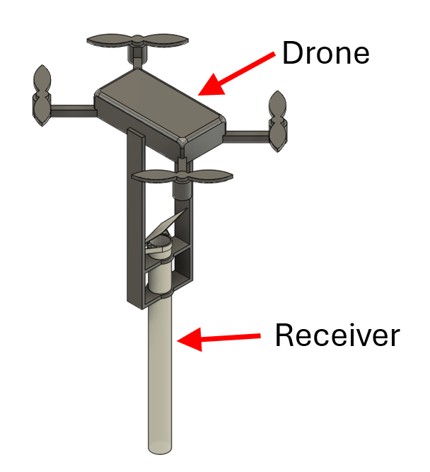
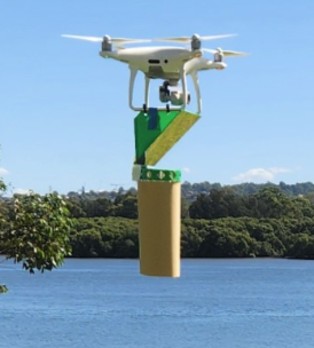
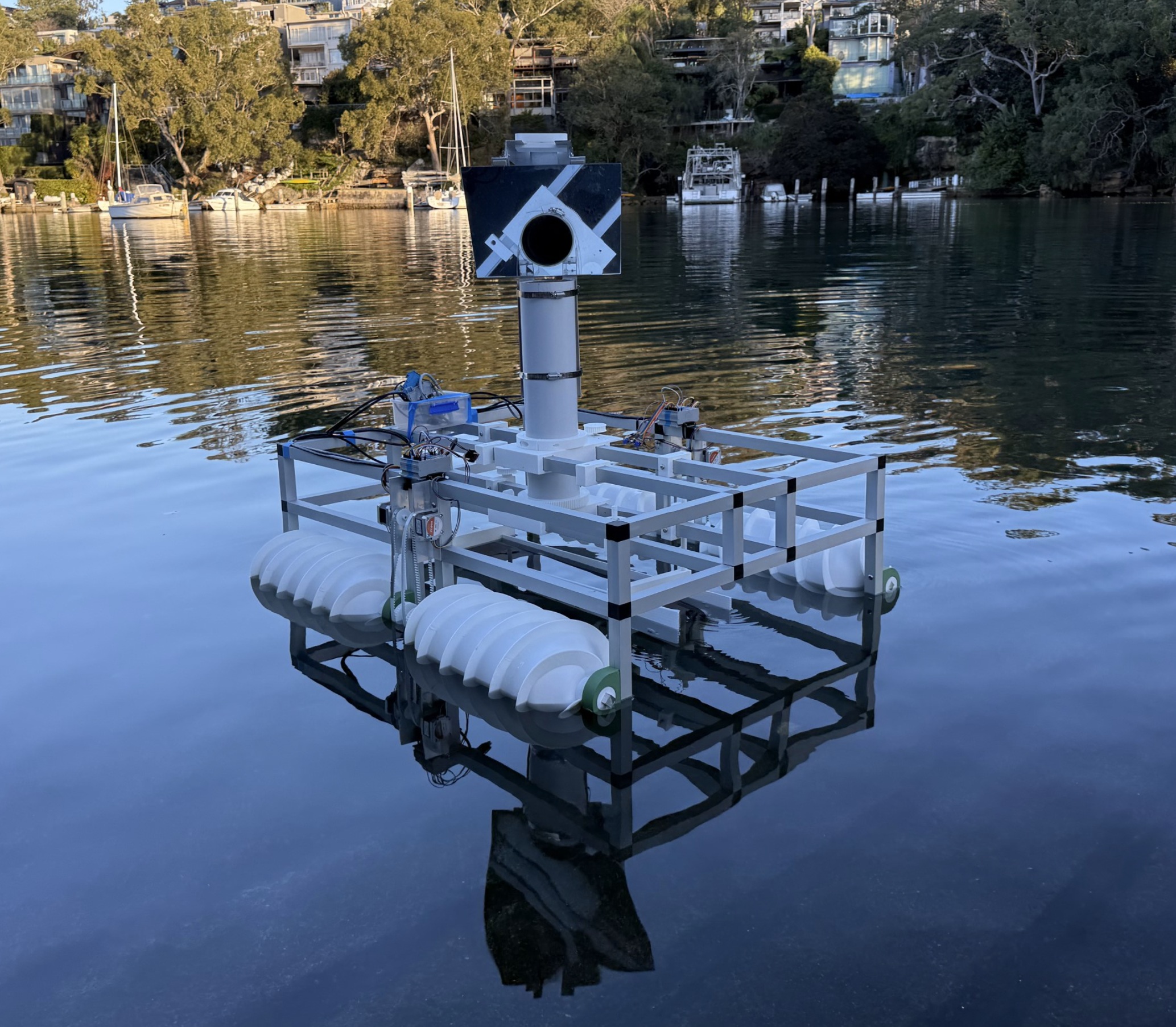
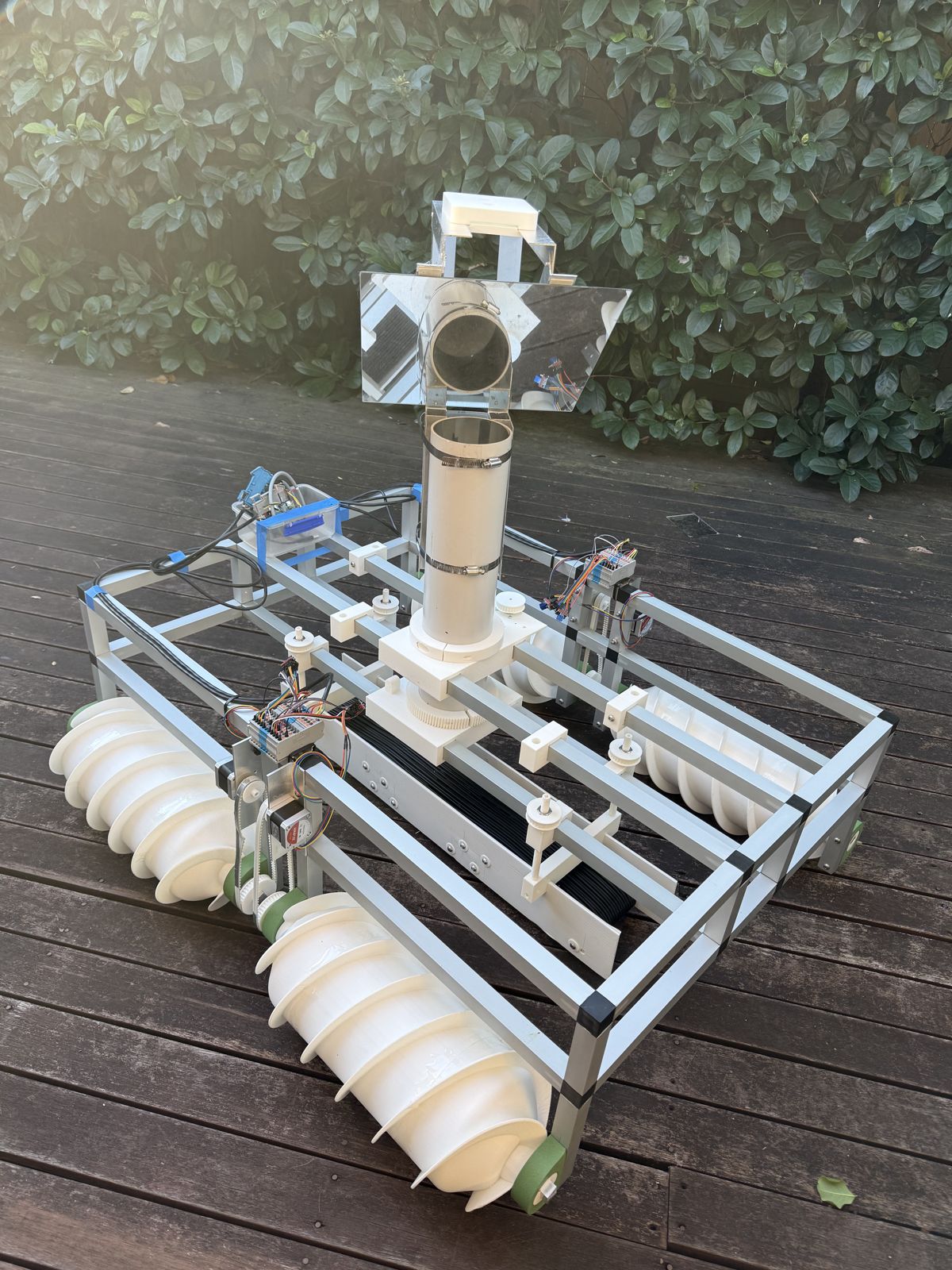
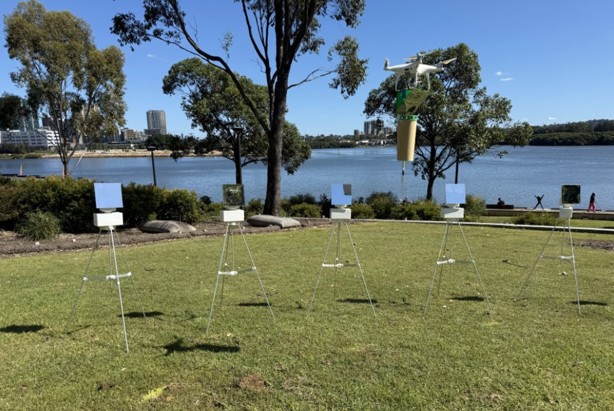
I extended SunRays to aquatic weeds, initially exploring a drone-mounted receiver before developing a floating robot better suited to dense weed mats and shallow waterways. Its two independently driven Archimedes screws provide both buoyancy and propulsion, avoiding the entanglement problems of conventional propellers.
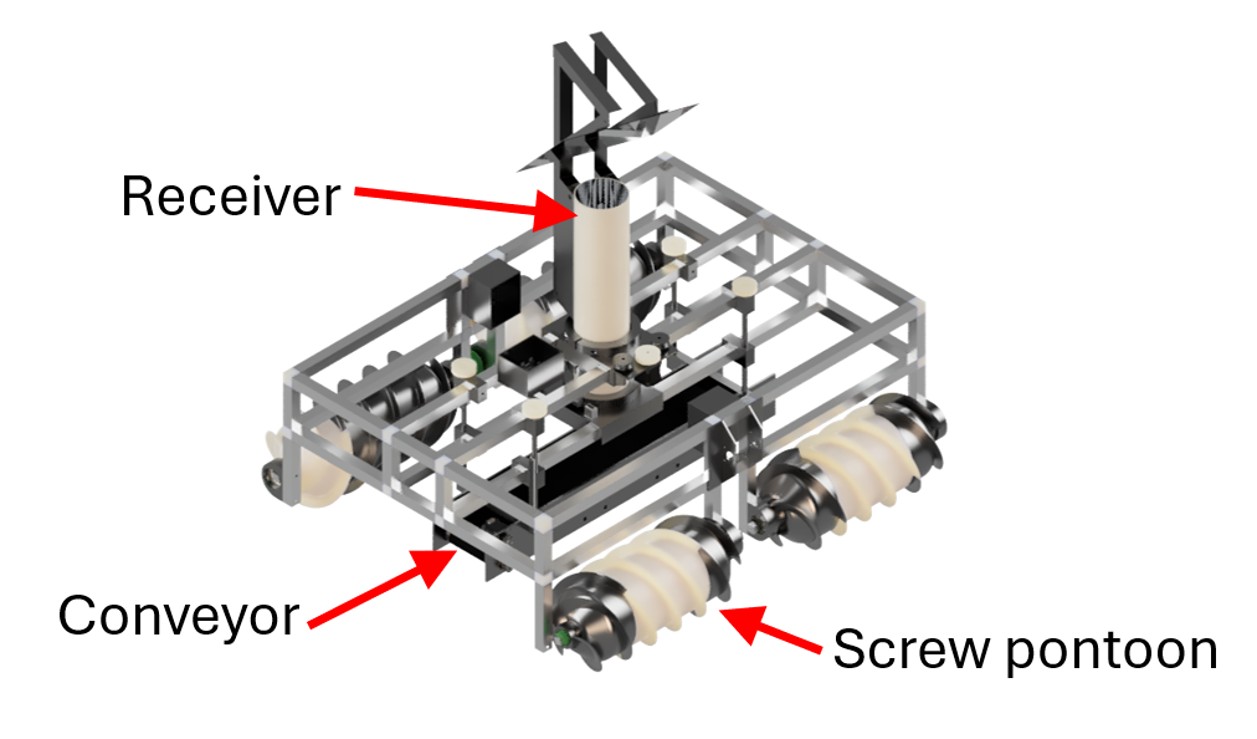
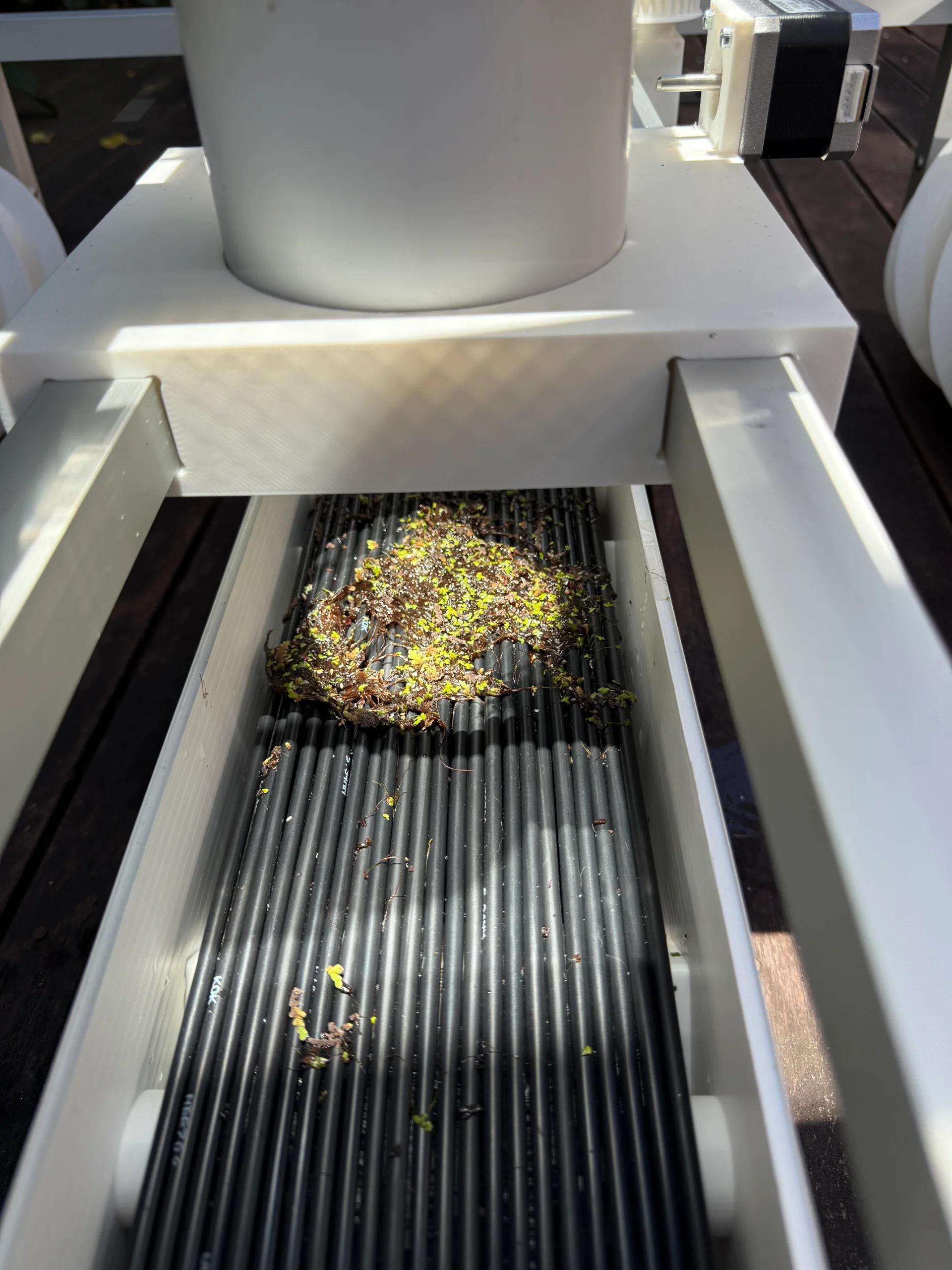
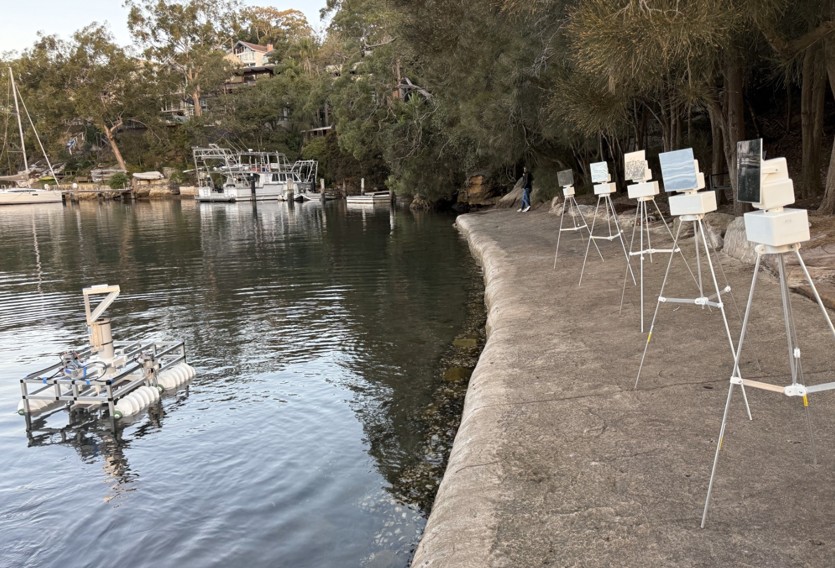
To overcome the cooling effect of water, I designed a conveyor to lift weeds clear of the surface and compression rollers to remove excess moisture before solar heating. The platform combines collection, dewatering and thermal treatment in a continuous process. Shore-based heliostats redirect sunlight towards the moving receiver, using GNSS-RTK positioning and automated solar tracking to update mirror orientations approximately once per second.
Screw-pontoon propulsion
Conventional propellers become entangled in dense aquatic vegetation, while wheels and tracks cannot move reliably between floating weeds and shallow water.
I designed a robotic platform using two rotating Archimedes screws that provide both buoyancy and propulsion. By independently controlling their rotational speeds, the platform can steer across dense weed mats, shallow water and muddy banks.
Weed collection & dewatering
My first thermal-treatment experiments exposed another challenge: weeds remained too wet to heat efficiently.
I developed a conveyor mechanism that lifts floating vegetation clear of the water. The collected weeds pass through compression rollers that squeeze out excess moisture before entering the solar-heated treatment zone.
The process combines collection, dewatering, thermal treatment and return of the vegetation to the water in one continuous operation.
Solar tracking & automation
The platform works with the same distributed heliostat architecture developed for SunRays.
Using high-precision satellite positioning (GNSS-RTK), the control system calculates the position of the sun and moving receiver. It updates each mirror’s orientation approximately once per second, maintaining solar energy delivery as the platform moves.
The design integrates aquatic propulsion, mechanical engineering, optics, motor control, embedded electronics and thermal experimentation into a single robotic system.
Results & impact
Experimental investigations demonstrated the technical feasibility of using distributed solar energy to suppress floating aquatic weeds.
Testing with 10, 15 and 20 heliostats showed that increasing the number of mirrors increased thermal output. With 20 mirrors, the system achieved an average target temperature of 91.1°C after three minutes, exceeding the 60°C treatment threshold.
The solar-tracking system maintained targeting accuracy better than 1 cm across tested movement speeds, demonstrating reliable alignment between the mirror array and the mobile receiver.
International recognition
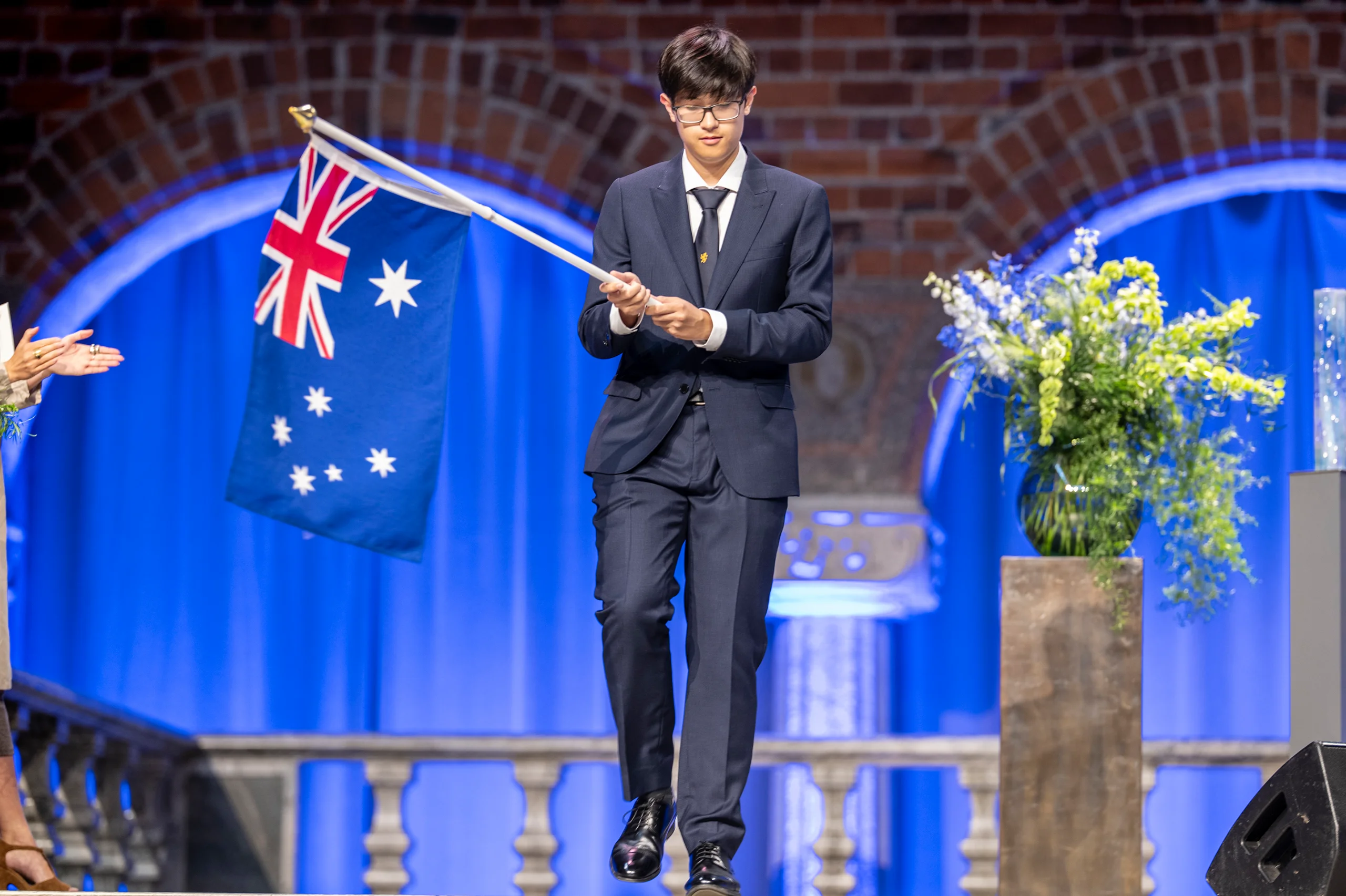
SunRays Aqua won the Australian Stockholm Junior Water Prize 2026, becoming Australia’s sole representative at the international final in Stockholm, Sweden.
The research was also presented at the Australian Water Association NSW Conference in Wollongong in August 2026. SunRays Aqua is undergoing engineering design reviews with Zinfra Australia to explore further development and potential field deployment.


Awards & publications
Awards & recognition
- Australian Stockholm Junior Water Prize 2026 — National Winner; Australia’s sole representative at the International Stockholm Junior Water Prize, Stockholm, Sweden.
- International Stockholm Junior Water Prize 2026 — International Finalist.
INTELLECTUAL PROPERTY, RESEARCH & INDUSTRY ENGAGEMENT
Patent
- Cox, D. E. (2025). Sunlight directing apparatus for thermal treatment of unwanted vegetation. Australian Provisional Patent Application No. 2025905235.
Research report
- Cox, D. E. (2026). SunRays Aqua System: Solar-Thermal Control of Invasive Aquatic Weeds — A Distributed Heliostat Approach for Chemical-Free Freshwater Management. Research report submitted to the Stockholm Junior Water Prize 2026.
Conference publication
- Cox, D. E. (2026). “Distributed Solar-Thermal Suppression of Invasive Floating Weeds for Freshwater Ecosystem Protection.” Proceedings of Ozwater’26 — Our Water. Our Tomorrow. Australian Water Association, Brisbane, Australia, 26–28 May 2026. Published on AWA Indigo.
Industry & conference engagement
- Australian Water Association NSW Conference 2026 — Presented “SunRays Aqua: Solar-Thermal Control of Invasive Aquatic Weeds,” Wollongong, Australia, 17–19 August 2026.
- Zinfra Australia — Engineering design reviews towards potential field deployment.
- Zinfra Australia and LAPP Australia — Engineering sponsorship through AUSSEF.