Varroa Laser Gate
04 · 2026–present · Precision Optical Engineering.
Killing Varroa mites with light.
The problem
Varroa destructor is the most damaging parasite of the honey bee worldwide. The mites feed on adult bees and reproduce inside capped brood, weakening colonies, spreading viruses and, left unchecked, causing colony collapse. Since Varroa reached Australia, beekeepers have been forced to adopt the same chemical treatments used overseas.
Those treatments have well-known limitations. Miticides leave residues in wax and honey, stress the colony, and mites in several countries have already evolved resistance to the main active ingredients. Organic acids and essential oils are safer but less reliable and highly temperature-dependent. Every existing method treats the whole hive at once, because nobody has had a way to act on individual mites.
I wanted to find out whether a hive could be protected by detecting and removing mites one at a time, without putting any chemical into the colony.
From idea to prototype
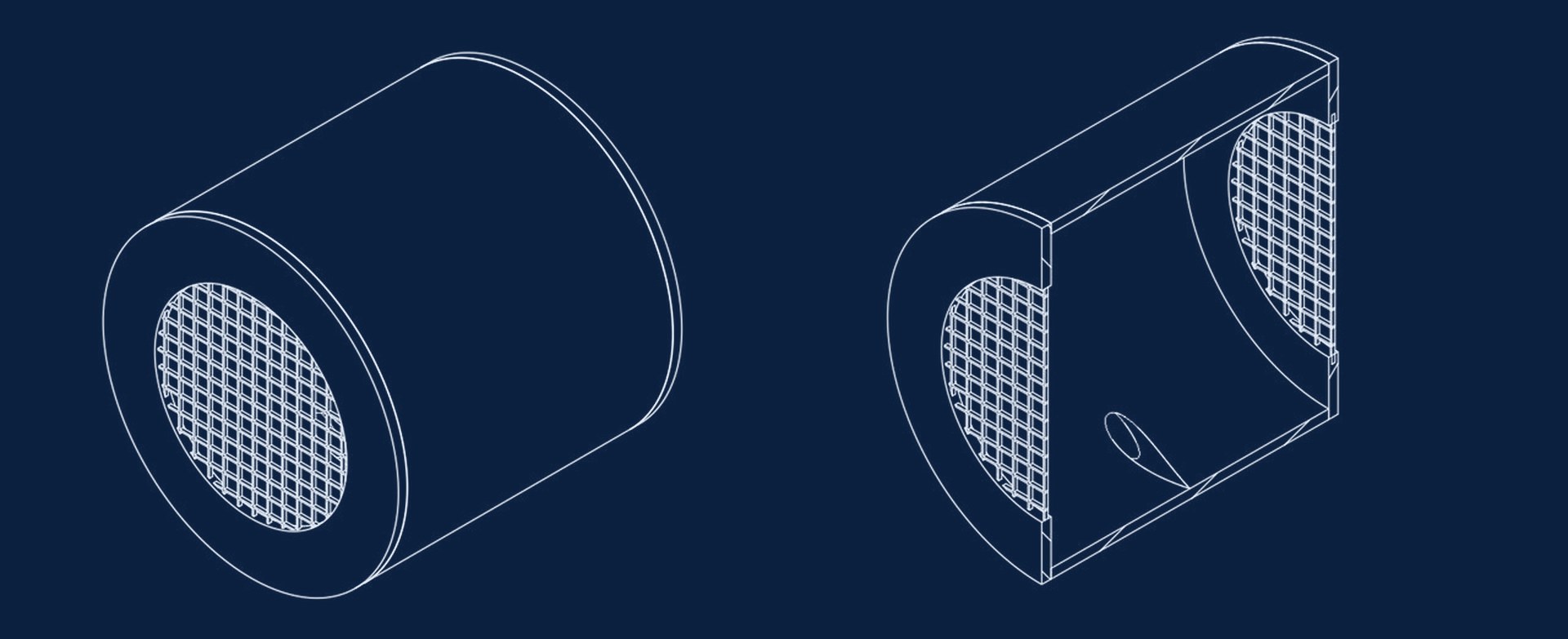
I am developing Varroa Laser Gate, a hive-mounted system intended to detect and target mites individually as bees pass through the hive entrance. This location exposes mites riding on adult bees, which are otherwise difficult to reach without treating the entire colony.
Bees pass through a transparent inspection channel where two cameras and a neural network locate mites and predict their movement, enabling a precisely steered laser to target them. The modular design supports testing different lasers independently of the vision software. My first prototype uses a harmless low-power laser to measure targeting accuracy on moving bee-sized analogues before progressing to live-bee testing.
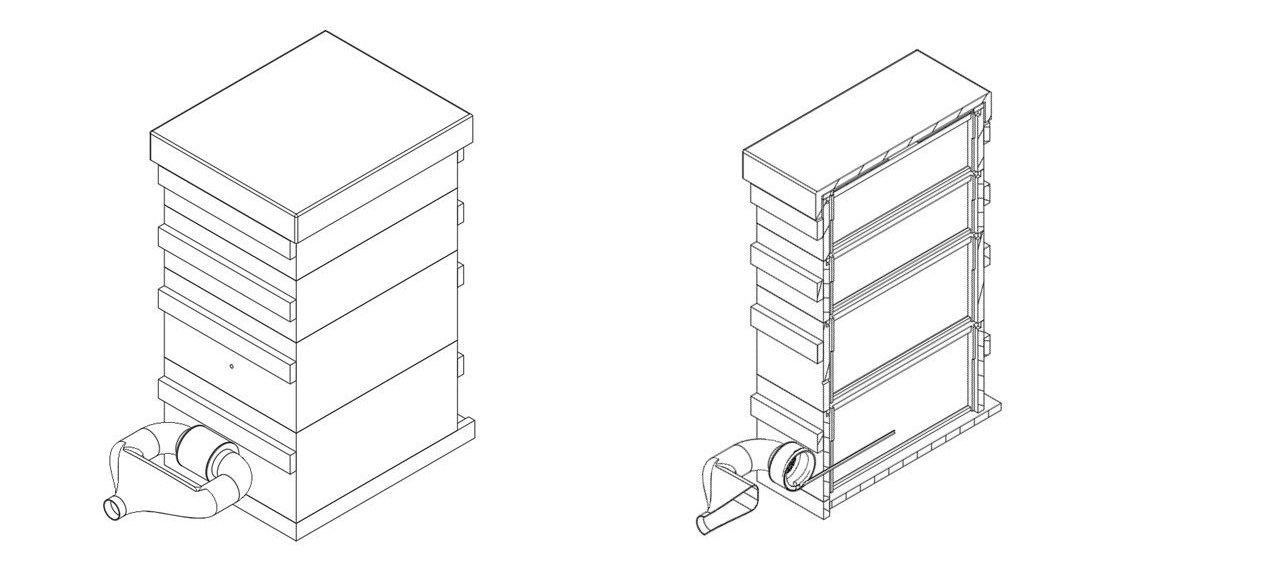
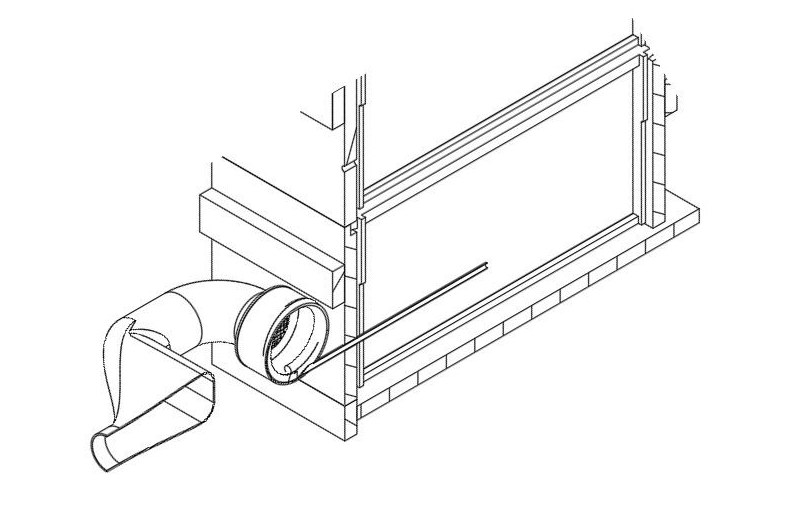
Concept drawings of the entrance inspection channel
Progress & next steps
The project is in active prototype development. The first feasibility question is simple to state and hard to answer: can an inexpensive camera, computer and galvo repeatedly place a laser spot on a mite-sized target attached to an unpredictably moving bee-sized object?
Once targeting is proven on the bench, the planned sequence is validation on live bee geometry, integration of the CO₂ optical train, and field evaluation on a working hive, measuring both mite elimination rate and any bee injury attributable to the system. A by-product of the design is that mite detections per hour become a continuous, non-invasive measure of colony infestation, something beekeepers currently obtain only through destructive alcohol washes.
Known open problems include mites hidden between body segments, mites releasing their grip when struck, and the fact that an entrance system cannot reach mites inside capped brood. The working principle of the project is that hard is acceptable; unmeasured is not.
Research & Intellectual Property
Competition
- The Varroa Laser Gate will be entered in the Australian Science and Engineering Fair (AUSSEF) 2026.
Patent
- Cox, D. E. (2026). Apparatus and method for treating honey bee colonies for parasitic mites by automated transfer of brood-region bees and their return through a processing section. Australian Provisional Patent Application No. 2026908641.